Why Knowing How to Choose the Right Roofing Contractor Can Save You Thousands
Knowing how to choose the right roofing contractor is one of the most important decisions you’ll make as a homeowner. Here’s a quick overview of the key steps:
- Get referrals from neighbors, friends, and family in your area
- Verify credentials — check for a valid license, general liability insurance, and workers’ compensation
- Research reputation — read Google reviews and check the Better Business Bureau
- Get at least three written estimates and compare scope, materials, and warranties
- Ask the right questions — about subcontractors, project supervision, timelines, and cleanup
- Review the contract carefully — look for clear payment terms, workmanship warranties, and lien waivers
- Watch for red flags — avoid storm chasers, cash-only deals, vague estimates, and high-pressure tactics
Your roof is one of your home’s most critical components. When it fails, the consequences go far beyond a minor inconvenience — water intrusion can lead to mold, rotting structural members, damaged insulation, and costly interior repairs that compound quickly. A poor installation or an unqualified contractor doesn’t just cost you money upfront. It can quietly erode your home’s long-term value and leave you without recourse when problems surface months or years later.
The roofing industry, unfortunately, has a trust problem. Too many homeowners in Rochester and across the country have experienced pressure sales tactics, vague promises, and contractors who disappear once a check clears. That’s not a reason to feel helpless — it’s a reason to be informed.
This guide walks you through every step of the hiring process, from finding reputable local contractors to reviewing your final contract, so you can make a confident, well-grounded decision.
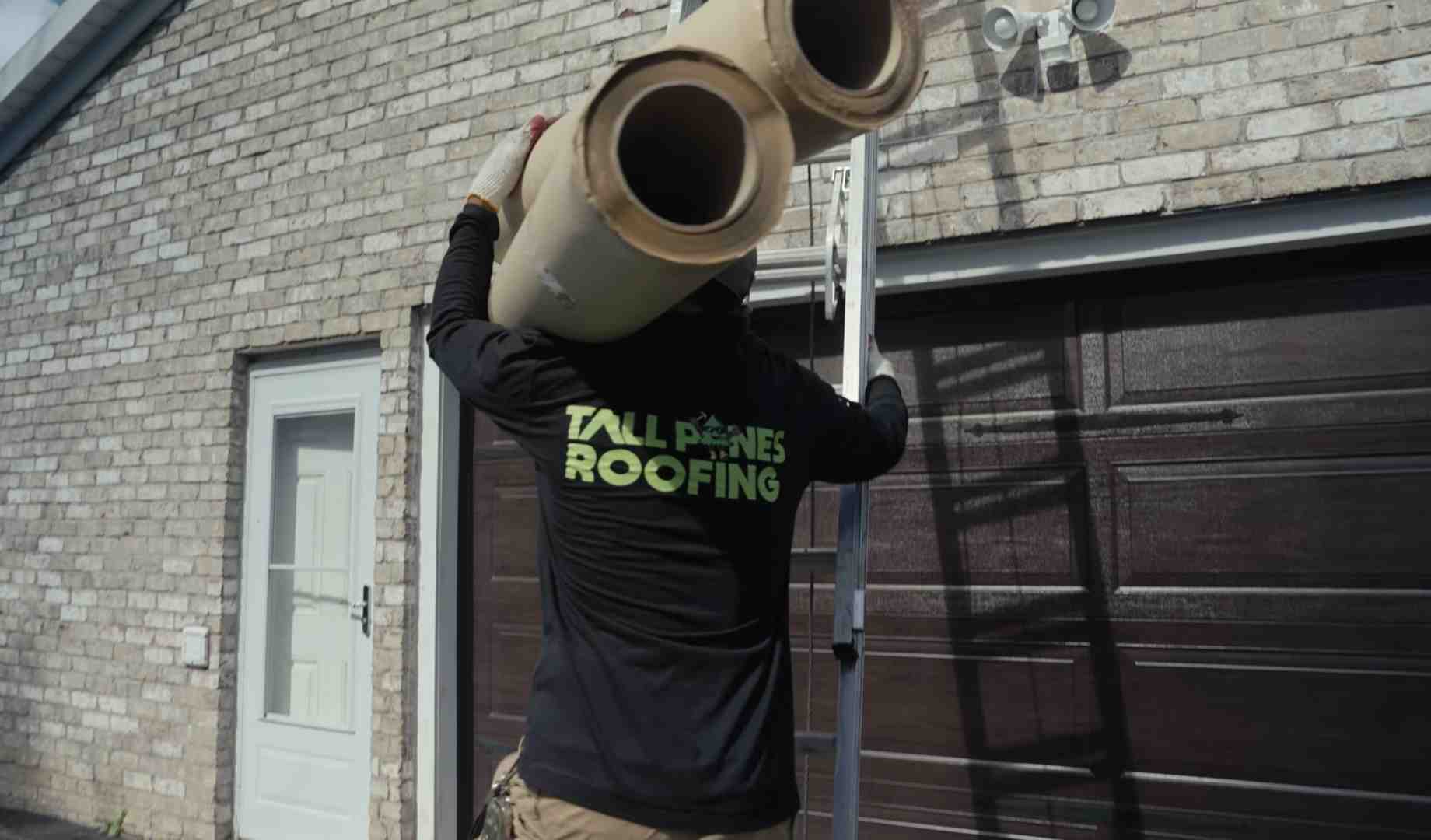
I’m Matthew Hebert, founder of Tall Pines Roofing and a roofing professional with over two decades of experience in the industry — including co-founding and scaling one of Rochester’s largest roofing companies. That experience taught me exactly what separates a contractor you can trust from one you can’t, and I’ve built this guide around those hard-earned lessons on how to choose the right roofing contractor for your home.

Essential Credentials and Licensing for Your Roofing Professional
When we talk about professionalism in the roofing industry, it starts with the paperwork. While it might seem tedious to check insurance certificates and license numbers, these documents are your primary line of defense. If a worker is injured on your property or if a contractor causes structural damage to your home, you could be held liable without these protections.
Reputable contractors, such as those in the Owens Corning Roofing Platinum and Preferred networks, typically hold at least $1,000,000 in general liability insurance. This isn’t just a vanity number; it ensures that if a ladder falls through your sunroom or a heavy pallet of shingles damages your driveway, the contractor has the financial backing to make it right.
Equally critical is workers’ compensation insurance. Roofing is a high-risk profession. If a contractor doesn’t carry workers’ comp, a single slip on your roof could turn into a legal and financial nightmare for you as the property owner. Always request a current certificate of insurance (COI) sent directly from the contractor’s insurance agent to verify coverage is active.
Business longevity is another key indicator of stability. Research shows that contractors with fewer than three years of operation may signal an unstable or inexperienced business. We recommend looking for companies that have weathered several seasons in the Rochester area. To learn more about how we handle these standards, you can explore our roofing services.
Verifying how to choose the right roofing contractor licenses
Licensing requirements vary wildly across the United States. In fact, only 21 states require roofers to have a state-level license. In New York, licensing is often handled at the municipal or county level. This means a contractor must be familiar with the specific building codes in Rochester and surrounding towns.
When you are figuring out how to choose the right roofing contractor, verify their tax ID and physical business address. A PO box is a significant red flag; a permanent place of business shows the company is rooted in the community. Furthermore, check for industry affiliations like membership in the National Roofing Contractors Association (NRCA). These organizations often require members to adhere to higher ethical and professional standards.
Finally, ensure the contractor understands the permitting process. In most regions, a building permit is required for any reroofing project, except for minor repairs totaling less than 100 square feet. A professional contractor should handle the permit application themselves, ensuring the work is inspected and compliant with local safety laws.
How to choose the right roofing contractor through local research
The internet has made it easier to find contractors, but it has also made it easier for “storm chasers” to look legitimate. These are out-of-town companies that flock to areas after a major weather event, collect insurance checks, and disappear before the first leak occurs. This is why we believe local research is the most powerful tool in your belt.
Start by asking your inner circle. Referrals from friends, family, and neighbors are incredibly valuable because they provide an unfiltered look at a contractor’s communication, punctuality, and cleanliness. If a neighbor’s roof still looks great after five Rochester winters, that contractor is worth a phone call. You can find more insights on Finding the Best Roofers in Rochester to help narrow your search.
Evaluating reputation and community trust
Online reviews are the modern version of word-of-mouth, but they require a discerning eye. We suggest looking at Google reviews and the Better Business Bureau (BBB) specifically. Don’t just look at the star rating—read the text. Are the reviews detailed? Do they mention specific crew members or how the company handled a mistake?
A company that responds professionally to a negative review often has more integrity than one with 500 “perfect” reviews that lack detail. You can see how our own customers describe their experiences by visiting Tall Pines Roofing Reviews Rochester NY or our Customer Testimonials page. For more about our history in the area, read About Tall Pines Roofing.
Assessing local expertise and weather knowledge
Rochester’s climate is notoriously tough on roofs. Between the heavy snow loads of late winter and the high winds that sweep off Lake Ontario, a roof here has to be built differently than one in a milder climate.
A local expert knows that ice dam prevention is a top priority in Monroe County. They will understand the importance of proper attic ventilation and the specific placement of ice and water shields. If a contractor doesn’t mention how they plan to protect your home from Rochester’s unique weather quirks, they likely don’t have the local expertise you need. This is especially important when dealing with Insurance Roofing Rochester NY, as local pros understand how to document storm damage for regional adjusters.
Key Questions and Interview Strategies
Once you have a shortlist of 2-3 contractors, it’s time for the “job interview.” We recommend meeting them in person to gauge their professionalism and knowledge. A contractor who takes the time to perform a thorough inspection—checking the attic for light leaks or mold and inspecting the flashing around chimneys—is far more likely to provide an accurate estimate than one who just “eyeballs” the roof from the driveway.
Interviewing tips on how to choose the right roofing contractor
During your interview, ask specific questions about the crew and the process. Who will be the project supervisor on-site? Do they use subcontractors or an in-house crew? While subcontractors are common, you need to know that they are held to the same insurance and safety standards as the primary company.
Safety is non-negotiable. Fall arrest protection is required by law for any height 10 feet or more above the ground. Ask the contractor about their safety protocols and ensure they use anchor points and harnesses. This protects the workers and shields you from the trauma and liability of an on-site accident.
Property protection is another area where the best roofers shine. Ask how they will protect your landscaping, windows, and driveway. A professional team will use tarps to catch debris and “plywood tents” to protect air conditioning units. For a full list of what to expect during a project, check out Our Roofing Services.
Finally, discuss the cleanup strategy. Roofing generates a massive amount of debris, including thousands of old nails. A reputable contractor will perform daily debris removal and use high-powered magnets to sweep your lawn and driveway multiple times.
Understanding Warranties and Contract Protections
A roof is a long-term investment, and the warranty is your insurance policy against future defects. However, not all warranties are created equal. There are two primary types: the manufacturer’s warranty (which covers the materials) and the workmanship warranty (which covers the installation).
Most high-quality shingles come with a 20-to-50-year material warranty, but these can be voided if the roof isn’t installed exactly to the manufacturer’s specifications. This is why hiring a certified installer is so important. Workmanship warranties, on the other hand, are provided by the contractor and typically last between 5 and 10 years. We take this a step further with our 30-year warranty, ensuring you have peace of mind for decades.
| Warranty Type | What it Covers | Typical Duration |
|---|---|---|
| Material Warranty | Manufacturing defects in shingles or components | 20 – 50 Years |
| Workmanship Warranty | Errors made during the installation process | 2 – 10 Years |
| Full System Warranty | Both materials and labor, often through certified pros | 15 – 30+ Years |
Be wary of marketing gimmicks. Some “lifetime” warranties have so many fine-print exclusions that they offer very little real-world protection. You can read more about this in our guide to Understanding Roofing Warranties.
What to look for in a detailed agreement
Never allow work to begin without a signed, detailed contract. A vague estimate like “Replace roof – $10,000” is a recipe for disaster. Your contract should include a comprehensive scope of work, listing the specific brands and colors of shingles, the type of underlayment (we recommend synthetic), and the specific flashing being replaced.
Payment terms should also be crystal clear. You should never pay for the entire project upfront. A standard deposit is typically 10-30%, with the balance due upon completion and your final satisfaction. We offer various Payment Options to make the process smoother for our clients.
One of the most important legal protections is the lien waiver. This document confirms that the contractor has paid their material suppliers and subcontractors. Without it, a supplier could technically place a lien on your home if the contractor fails to pay them—even if you’ve already paid the contractor in full.
Red Flags and Scams to Avoid
As you learn how to choose the right roofing contractor, you’ll start to notice patterns that separate the pros from the predators. The most common red flag is the “storm chaser.” If a contractor knocks on your door after a hail storm and offers a “free roof” or claims they can “waive your deductible,” be extremely cautious. In many states, waiving an insurance deductible is illegal and constitutes insurance fraud.
Other red flags include:
- High-pressure sales: “This price is only good if you sign right now.”
- Cash-only deals: This leaves no paper trail and usually means no warranty.
- Vague estimates: If they won’t put the specific materials and methods in writing, they are likely planning to cut corners.
- Lack of a physical address: If they only have a truck and a cell phone, they might not be around to honor their warranty next year.
The lowest bid is rarely the best value. A contractor who is significantly cheaper than the others is likely skipping permits, using inferior materials, or not carrying proper insurance. As the old saying goes, “The bitterness of poor quality remains long after the sweetness of low price is forgotten.”
Frequently Asked Questions about Selecting a Roofer
How many references should I request from a potential contractor?
We recommend asking for at least three to five references from projects completed within the past 12 months. Ideally, these should be in your local Rochester neighborhood so you can drive by and see the work for yourself. When you call the references, ask if the project was completed on time, if the final price matched the estimate, and how the crew handled the daily cleanup.
Is a local office important for long-term roofing support?
Absolutely. A local office means the company is a part of the community and is accountable to its neighbors. If you have a minor leak or a warranty question three years from now, you want a contractor who can be at your door in 24 hours, not someone who has moved on to the next storm in a different state.
What safety equipment should a professional crew use?
A professional crew must be OSHA-compliant. This includes using personal fall arrest systems (harnesses and lanyards) attached to secure anchor points on the roof. They should also use sturdy, properly angled ladders and wear appropriate personal protective equipment (PPE). If you see a crew running around a steep roof without harnesses, it’s a sign that they cut corners on safety—and they’ll likely cut corners on your roof, too.
Conclusion
Choosing a roofing contractor doesn’t have to be a stressful experience if you follow a structured vetting process. By focusing on local reputation, verified credentials, and clear communication, you can ensure that your home remains safe and your investment is protected for decades to come.
At Tall Pines Roofing, we’ve built our business on the “Tall Pines Guarantee.” We believe in superior craftsmanship, but we also believe in the homeowner’s experience. That’s why we provide real-time project updates so you’re never in the dark, and we back our work with a 30-year warranty. We also take immense pride in our cleanup process—we aim to leave your property cleaner than we found it, using magnets and thorough sweeps to protect your family and pets.
If you’re ready to work with a team that values integrity as much as you do, we’d love to help. For more information or to discuss your next project, Contact Tall Pines Roofing today. We are proud to be the Tall Pines Roofing Contractors Rochester NY homeowners trust to keep them dry and secure.
