

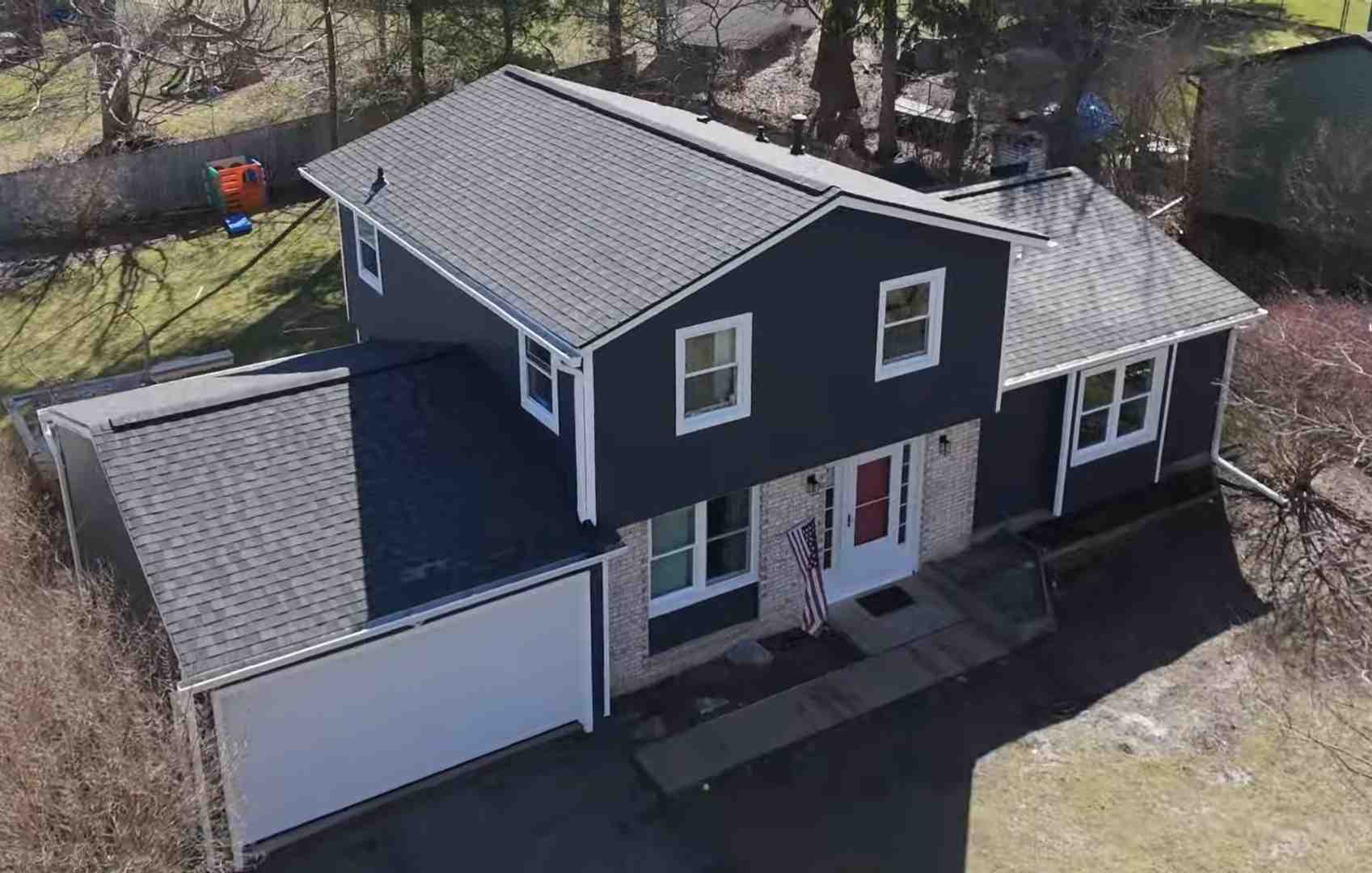
What Is the Average Lifespan of an Asphalt Shingle Roof?
The average lifespan of an asphalt shingle roof depends on the type of shingle installed, your local climate, installation quality, and how well the roof is maintained. Here’s a quick breakdown:
| Shingle Type | Average Lifespan |
|---|---|
| 3-Tab Shingles | 15-20 years |
| Architectural (Dimensional) Shingles | 20-30 years |
| Premium Shingles | 30-50 years |
Most asphalt roofs in real-world conditions fall somewhere between 15 and 30 years. Harsh climates – like the freeze-thaw cycles common in Upstate New York – can push that number toward the lower end, while proper installation and regular maintenance can help you reach the upper range.
But here’s what surprises most homeowners: that “30-year shingle” on your roof isn’t a promise. It’s a rating based on ideal lab conditions – not the kind of winters we see in Rochester. A shingle rated for 30 years might realistically last 20 to 25, and in some cases less. According to one industry discussion, homeowners have seen everything from roofs failing in under 15 years to 20-year-rated shingles still holding strong at the 30-year mark – all based on factors like ventilation, installation, and weather exposure.
I’m Matthew Hebert, founder of Tall Pines Roofing, and with over two decades of roofing experience in Upstate New York, I’ve seen how Rochester’s demanding climate separates a well-built roof from one that falls short of its rated lifespan. In this guide, I’ll walk you through everything that actually determines the average lifespan of an asphalt shingle roof – so you can make a smarter decision for your home.

Understanding the Average Lifespan of an Asphalt Shingle Roof
When we talk about the average lifespan of an asphalt shingle roof, we have to look at what’s actually on your rafters. Not all shingles are created equal. In fact, the difference between a basic 3-tab shingle and a high-end premium shingle can mean an extra two decades of protection for your home.
The Three Main Types of Asphalt Shingles
- 3-Tab Shingles: These are the “traditional” shingles you see on older homes. They consist of a single layer of asphalt-coated fiberglass or organic mat cut into three tabs. While they are affordable, their lifespan is the shortest, typically ranging from 15 to 20 years. In a place like Rochester, they often struggle with high winds and heavy snow loads.
- Architectural (Dimensional) Shingles: These are the gold standard for modern homes. They are made of two or more layers of asphalt laminated together, giving them a thicker, textured look. Because they are heavier and more durable, the average lifespan of an asphalt shingle roof using architectural shingles is generally 20 to 30 years.
- Premium Shingles: These are top-tier products designed to mimic the look of slate or cedar shakes. They are significantly thicker and often come with enhanced features like impact resistance or specialized UV protection. These can last anywhere from 30 to 50 years under the right conditions.
Composition Matters: Fiberglass vs. Organic
The core of the shingle plays a huge role in longevity. Most modern shingles use a fiberglass mat, which is fire-resistant and holds up well in varied temperatures. However, some older “organic” shingles—made of cellulose fibers like recycled paper saturated with asphalt—were popular because they contained 40% more asphalt, making them heavy and wind-resistant. Unfortunately, they tended to absorb moisture over time, leading to earlier failure compared to their fiberglass counterparts.
To get a deeper look at your options locally, check out our asphalt shingles rochester ny service page for specific material recommendations.
Why “30-Year” Shingles Don’t Always Last Three Decades
It’s one of the most common questions we get: “If I bought 30-year shingles, why is my roof failing at year 22?” The truth is that the “30-year” label is often more of a marketing term and a warranty tier than a literal expiration date.
Many manufacturers offer impressive-sounding warranties, but these are often pro-rated. This means that after the first 10 years, the value of the warranty drops significantly every year. We often refer to the 50 year roofing warranty marketing gimmick by asphalt shingles manufacturers because homeowners often mistake a long warranty for a guarantee of performance. In reality, a warranty usually only covers manufacturing defects, not “wear and tear” from the environment.
Real-world performance is dictated by stress. If your architectural shingles rochester ny are subjected to 100-degree summers followed by sub-zero winters, the asphalt will naturally cure, dry out, and lose its flexibility much faster than it would in a temperate, mild climate.
How Climate Impacts the Average Lifespan of an Asphalt Shingle Roof
In Rochester, our weather is basically a stress test for roofing materials. The average lifespan of an asphalt shingle roof in the Northeast is often slightly shorter than the national average due to a few specific factors:
- Freeze-Thaw Cycles: This is the big one. When water gets under your shingles or into small cracks, it freezes and expands. This “thermal shock” happens dozens of times a year in New York, slowly prying the shingles away from the deck and weakening the asphalt.
- UV Radiation: Even on cold days, the sun is beating down on your roof. UV rays break down the chemical bonds in the asphalt, leading to “balding” (granule loss) and brittleness.
- Snow Loads and Ice Dams: Heavy snow sitting on a roof puts immense structural pressure on the shingles. More importantly, ice dams—caused by heat escaping into the attic—force water up under the shingles, where it can rot the roof deck and cause premature failure.
For homeowners in our area, understanding shingle roofing rochester ny means choosing materials specifically rated for high wind and moisture resistance.
The Critical Role of Attic Ventilation in the Average Lifespan of an Asphalt Shingle Roof
If you want your roof to last, you have to look under it. Proper attic ventilation is perhaps the single most overlooked factor in roof longevity.
Without a balanced system of intake (soffit vents) and exhaust (ridge vents), your attic becomes a microwave in the summer. Temperatures can soar above 150°F, literally “cooking” your shingles from the inside out. This extreme heat causes the shingles to dry out, lose their protective granules, and curl.
If you’ve ever wondered “why are my shingles curling,” the answer is almost always poor ventilation. In the winter, poor airflow allows moisture from your home (showers, cooking, breathing) to trap in the attic, leading to mold and wood rot. A balanced ventilation system can extend the life of your roof by 5 to 10 years.
Key Factors That Influence Shingle Longevity
Beyond the weather and the material itself, several structural factors play a role in how long your roof will stay watertight.
Roof Pitch and Orientation
The “slope” or pitch of your roof determines how quickly it sheds water. Steep roofs generally last longer because water, snow, and debris don’t have time to sit and soak. Flat or low-slope sections of a roof are much more prone to leaks and UV damage.
Even the direction your home faces matters. South-facing roof slopes usually fail years before north-facing slopes because they absorb significantly more UV radiation and heat throughout the day. If you are planning a project, reading an architectural shingles batavia ny guide can help you understand how these local factors affect your specific home.
Shingle Color
It might seem like an aesthetic choice, but color affects temperature. Darker shingles absorb more heat, which can accelerate the aging of the asphalt. In warmer climates, lighter shingles are a must, but even here in New York, a lighter-colored traditional architectural shingles choice can help keep attic temperatures slightly lower.
Installation Quality and Maintenance Practices
You could buy the most expensive shingle in the world, but if it’s installed poorly, it won’t last ten years. Proper nailing patterns are essential; if a roofer uses too few nails or places them too high, the shingles can slip or blow off in a storm.
We always emphasize using the best architectural shingles rochester ny paired with high-quality underlayment and flashing. Flashing is the metal “armor” around chimneys and vents, and it’s usually the first place a roof fails.
Maintenance Tips to Extend Roof Life:
- Gutter Cleaning: Clogged gutters cause water to back up under the eave shingles.
- Tree Trimming: Overhanging branches can scrape off granules and drop acidic leaves that trap moisture.
- Debris Removal: Piles of pine needles or leaves on the roof act like sponges, holding moisture against the shingles and inviting moss growth.
When to Replace Your Asphalt Shingle Roof
Knowing the average lifespan of an asphalt shingle roof is helpful, but you should also know the physical signs that your roof has reached the end of its “useful life.”
Statistics show that 73% of homeowners don’t actually inspect their roof until they see a water stain on the ceiling. By then, the damage is often much more expensive than a simple shingle replacement. Here are the red flags we look for:
- Granule Loss: Check your gutters. If they look like they’re filled with sand, your shingles are losing their UV protection.
- Curling or Cupping: When shingle edges turn upward or the middle bows, the asphalt has dried out and lost its bond.
- Missing Shingles: If a storm has ripped shingles away, the underlying deck is exposed to the elements.
- Moss and Lichen: These aren’t just “rustic” decorations. Moss roots into the shingle and holds water, which will eventually rot the material.
- Interior Leaks or Sagging: If your roof deck feels “spongy” when walked on, or you see sagging from the attic, the structural integrity is compromised.
If you are unsure about the state of your home, knowing when is the best time to replace your roof can save you thousands in emergency repair costs later.
Frequently Asked Questions about Asphalt Shingle Lifespan
Are 30-year shingles guaranteed to last 30 years?
In short: No. The “30-year” rating is a classification of the shingle’s quality and the length of the limited manufacturer warranty. In real-world conditions—especially with Rochester’s freeze-thaw cycles—most “30-year” shingles provide a reliable service life of 20 to 25 years. Factors like poor ventilation or improper installation can cut that even shorter.
How often should I schedule a professional roof inspection?
We recommend a professional inspection every two to three years once your roof passes the 10-year mark. After the roof is 20 years old, it should be checked annually. It’s also wise to have a look after any major wind or hailstorm to catch small issues before they become major leaks.
Conclusion
At the end of the day, the average lifespan of an asphalt shingle roof is a combination of the materials you choose and the experts you trust to install them. While a 30-year shingle might not always hit that three-decade mark, choosing high-quality architectural shingles and ensuring your attic is properly ventilated will get you as close as possible.
At Tall Pines Roofing, we understand the unique challenges of the Rochester, NY climate. We don’t just “slap on shingles”—we build roofing systems designed to endure. Our “Tall Pines Guarantee” ensures superior craftsmanship, real-time project updates, and a property left cleaner than we found it. Plus, we back our work with a 30-year warranty to give you the peace of mind you deserve.
If you’re concerned about the age of your roof or noticed any of the warning signs we mentioned, don’t wait for a leak. Contact us today for a professional assessment and see why we are the trusted choice for Roof Replacement Rochester NY.
