

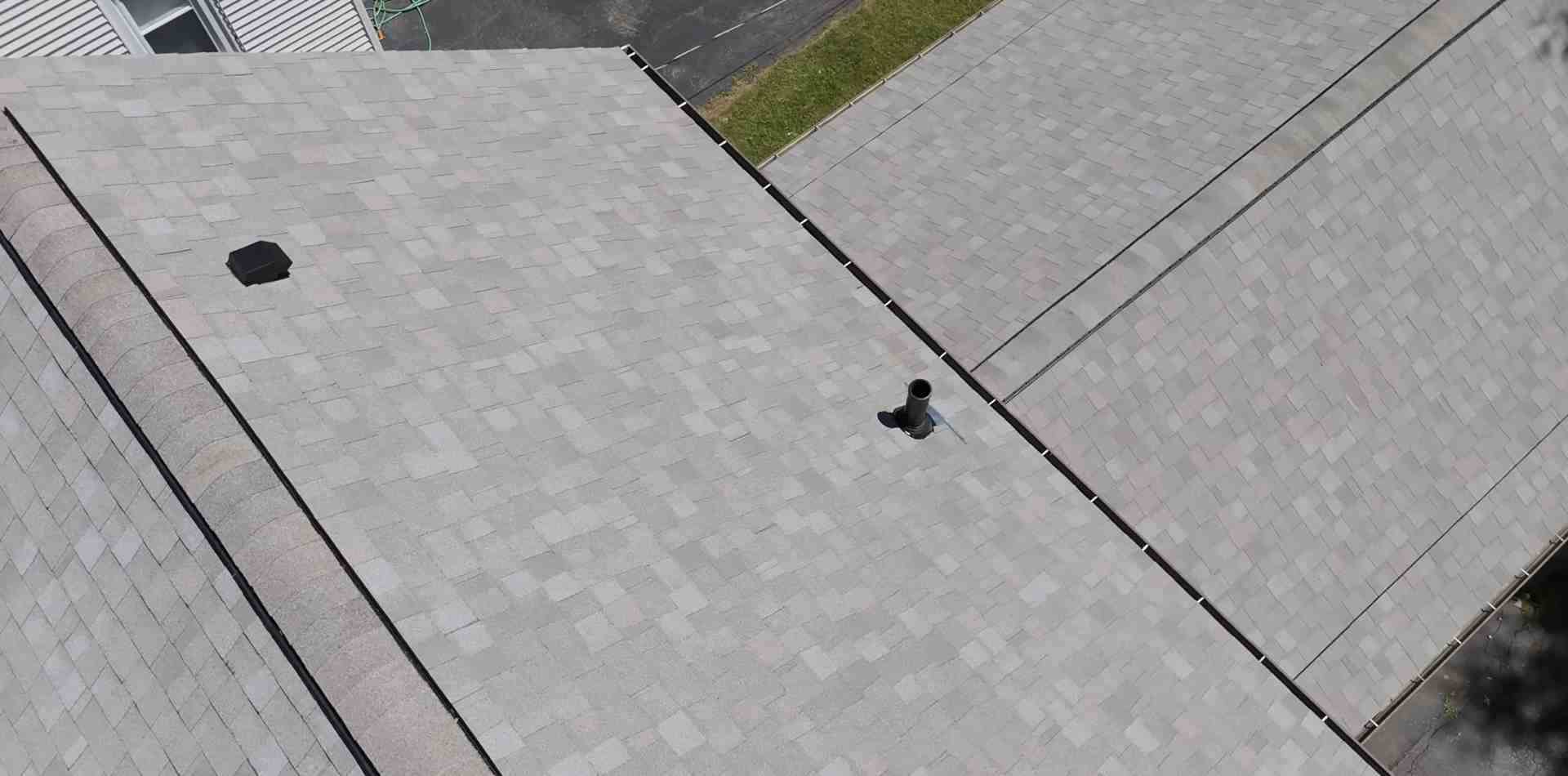
Why Most Roofs Fail Too Soon — And What You Can Do About It
Knowing how to extend the life of your roof can save you years of headaches and protect your home’s integrity. Here are the five most effective ways to do it:
- Inspect regularly — Check your roof twice a year and after every major storm
- Ventilate and insulate your attic — Prevent heat and moisture from destroying your shingles from the inside out
- Keep your roof and gutters clean — Remove debris, moss, and algae before they cause lasting damage
- Manage trees and environmental hazards — Trim overhanging branches and avoid DIY mistakes like power washing
- Invest in professional care — Schedule expert tune-ups and consider shingle preservation treatments
Your roof is your home’s first line of defense against the elements — but most roofs don’t fail overnight. They wear down gradually through small, ignored problems: a clogged gutter here, a missing shingle there, an attic that traps heat all summer long. According to roofing professionals, a roof that could last 25 years is often replaced at 15 simply because routine maintenance was skipped. And in a place like Rochester, NY — where winters bring heavy snow, ice dams, and brutal freeze-thaw cycles — that deterioration can happen even faster.
The good news? A few consistent habits can dramatically slow that process down. Modern asphalt shingles already face a challenge: manufacturers have reduced asphalt content by as much as 40% over the past two decades, meaning shingles that are supposed to last 30 years sometimes fail in under 10. That makes proactive care more important than ever.
I’m Matthew Hebert, founder of Tall Pines Roofing and a roofing professional with over two decades of experience helping Upstate New York homeowners understand how to extend the life of your roof through smart maintenance, quality materials, and the right professional support. In the sections below, I’ll walk you through exactly what works — and what doesn’t.

1. Conduct Regular Inspections and Post-Storm Assessments
The foundation of a long-lasting roof is awareness. You cannot fix what you don’t see, and by the time a leak drips onto your living room floor, the structural damage underneath has likely been brewing for months. We recommend a “look but don’t touch” approach for homeowners: stay on the ground and use a pair of binoculars to scan your shingles.
How to extend the life of your roof with seasonal checks
In Rochester, timing is everything. You should perform a visual check at least twice a year—once in the spring to assess winter’s toll and once in the autumn to ensure you’re ready for the snow.
Spring is particularly critical. Between heavy snow loads and the relentless wind gusts we experience, shingles can crack or shift. During these checks, pay close attention to the “penetration points.” These are areas where pipes, chimneys, or vents poke through the roof. If the sealant is cracked or the metal is rusting, water will find a way in. Understanding the importance of roof flashing is vital here; flashing is the thin metal material that directs water away from these vulnerable joints. If it’s loose or missing, your roof’s lifespan is actively shrinking. For a deeper dive, check out our Roof Inspection Rochester Ny Guide.
Identifying early signs of shingle deterioration
Asphalt shingles protect your home using a layer of ceramic granules. These granules shield the underlying asphalt from UV rays. If you see “bald spots” on your shingles or find piles of sand-like grit in your gutters, your roof is losing its sunscreen.
Other red flags include:
- Curling or Cupping: When the edges of shingles turn upward, they are no longer shedding water correctly.
- Buckling: This often looks like a “hump” running vertically up the roof, usually caused by moisture in the attic or poor installation.
- Missing Shingles: Even one missing shingle leaves the wood decking exposed to rot.
Catching these signs early allows for simple repairs rather than a premature total replacement. If you’re seeing widespread curling or granule loss, it might be time to ask: When is the best time to replace your roof?
2. Prioritize Attic Ventilation and Proper Insulation
It might seem strange to look inside your house to save the outside of your roof, but the attic is where many roofs go to die. Without proper airflow, your attic becomes a pressurized box of heat and moisture.
Preventing shingle “cooking” through balanced airflow
During a Rochester summer, an unventilated attic can reach temperatures upward of 150°F. This heat radiates upward, essentially “cooking” your shingles from the bottom up. This causes the asphalt to become brittle and the shingles to age prematurely.
A healthy roof needs a balanced system of intake and exhaust. Intake usually happens at the soffits (under the eaves), while hot air exhausts through a ridge vent or gable vents. If your soffit vents are blocked by insulation, the system fails. We’ve seen many cases where homeowners think they have enough vents, but they aren’t functioning correctly. You can learn more about the differences in our guide on attic ventilation passive vs active systems.
Reducing structural strain with high-quality insulation
In the winter, poor insulation is the leading cause of ice dams. When heat escapes from your living space into the attic, it warms the roof deck and melts the snow above. That water runs down to the cold eaves, where it refreezes into a thick block of ice. This ice “dam” traps subsequent meltwater, forcing it under your shingles and into your walls.
By investing in high-quality insulation and sealing air leaks, you keep the heat where it belongs. This not only improves your home’s energy efficiency but also prevents the moisture buildup that leads to plywood rot. For a complete strategy, read about attic ventilation and proper insulation for a lasting roof. Still curious why this matters so much? Read why proper attic ventilation is important to your roof.
3. Maintain a Clean Roof Surface and Functional Gutters
Debris is more than just an eyesore; it’s a moisture trap. Whether it’s a pile of autumn leaves or a fallen branch, anything that sits on your shingles holds water against the roof surface, eventually rotting the materials underneath.
Why gutter maintenance is key to how to extend the life of your roof
Your gutters are the “drainage system” of your home. When they are clogged, water backs up under the roof edge, leading to fascia rot and mold. In the winter, clogged gutters turn into solid troughs of ice, adding hundreds of pounds of weight that can pull at your roofline.
We recommend cleaning your gutters at least twice a year—late spring and late fall. If you have heavy tree cover, you may need to do it more often. Keeping this system clear is one of the simplest ways to ensure your roof lasts its full intended lifespan. For more tips, see our Roof Maintenance Rochester Ny Guide.
The dangers of moss and algae buildup
If you see green fuzzy patches or black streaks on your roof, you have a biological problem. Moss acts like a sponge, soaking up rainwater and keeping your shingles permanently damp. Over time, moss roots can actually lift the shingles, allowing water to seep into the structure.
Algae (the black streaks) is often purely aesthetic, but it can signal that your shingles are retaining too much moisture. To handle this, avoid the temptation to climb up with a scrub brush. Instead, look into low-pressure “soft washing” or installing zinc or copper strips at the roof peak. When it rains, the metallic ions wash down the roof, creating an environment where moss and algae can’t grow. If you’re already seeing growth, follow our guide on how to remove moss from your roof.
4. Manage Environmental Hazards and Tree Growth
Nature is beautiful, but it can be brutal to a roof. In our region, wind and ice often turn nearby trees into liabilities.
Trimming trees to prevent physical damage
Overhanging branches are dangerous for three reasons:
- Physical Abrasion: In high winds, branches act like giant pieces of sandpaper, rubbing away your shingle granules.
- Falling Limbs: Heavy snow or summer storms can snap branches, puncturing your roof deck.
- Animal Access: Trees are “highways” for squirrels and raccoons. Once they reach your roof, they may decide to chew through your vents to find a warm place to sleep.
We recommend trimming branches so they are at least 6 to 10 feet away from your roofline. This also reduces the amount of shade on your roof, which helps prevent moss growth.
Avoiding common DIY maintenance mistakes
One of the fastest ways to ruin a roof is to try and “clean” it improperly. Never power wash an asphalt shingle roof. The high-pressure stream will blast the granules right off the shingles, voiding your warranty and cutting years off the roof’s life.
Similarly, be careful about walking on your roof. Shingles can be brittle, especially in the cold or extreme heat, and foot traffic can cause cracks or loosen the sealants. If you notice issues with your vents, such as wiggling or loose screws, it’s often safer to call a pro than to attempt a DIY patch with improper sealants. For more on vent care, see our Roof Vent Issues Rochester Ny Guide.
5. How to Extend the Life of Your Roof with Professional Care
While DIY checks are great, there is no substitute for a professional eye. A roofing expert can spot “invisible” issues like internal condensation, failing sealants, or subtle storm damage that a homeowner might miss.
Utilizing asphalt shingle preservation treatments
One of the most exciting advancements in roofing technology is shingle rejuvenation. Since modern shingles have less asphalt, they lose their essential oils faster, becoming brittle and prone to cracking.
Preservation treatments, like those using soy-based oils, can soak into the shingles to restore their flexibility. This makes them more resistant to hail and helps them expand and contract during Rochester’s wild temperature swings. One treatment can add 5 years of life to a roof, and multiple applications can extend it even further. This is often a more efficient alternative to a full replacement.
Benefits of Shingle Rejuvenation:
- Restores shingle flexibility and “grip”
- Improves resistance to wind and hail
- Prevents further granule loss
- Keeps shingles out of landfills for longer
Scheduling expert assessments for severe weather prep
Proactive maintenance is always cheaper than reactive repair. A professional tune-up to reseal flashing and secure loose shingles can prevent extensive interior damage later. At Tall Pines Roofing, we believe in the “Tall Pines Guarantee”—providing real-time updates and expert craftsmanship so you know exactly what’s happening on your roof. Whether you’re preparing for hurricane-force winds or the weight of a lake-effect snowstorm, a professional assessment ensures your roof is fortified.
| Feature | Proactive Maintenance | Reactive Repair |
|---|---|---|
| Roof Lifespan | Maxes out at 25-30 years | Often fails at 12-15 years |
| Stress Level | Low (scheduled) | High (leaks/damage) |
| Home Value | Increases (documented care) | Decreases (visible wear) |
Frequently Asked Questions about Roof Longevity
When should I repair versus replace my roof?
If the damage is localized—like a few shingles blown off in a storm or a single leaking vent—a repair is usually the way to go. However, if the shingles are curling across the entire roof, or if you are seeing consistent leaks in multiple areas, you are likely facing systemic issues that repairs won’t solve. Age is also a factor; if your 3-tab shingle roof is over 15 years old, a replacement is often the more reliable long-term solution.
Does power washing damage asphalt shingles?
Yes, absolutely. Power washing uses concentrated pressure that strips away the protective granules. Once these granules are gone, the asphalt is exposed to the sun, which causes it to dry out and crack almost immediately. Always use “soft wash” methods with specialized cleaners if you need to remove stains.
How does snow and ice impact roof longevity?
Snow itself isn’t always the enemy, but the weight of heavy, wet snow can stress the roof structure. The real danger is the freeze-thaw cycle. When snow melts and refreezes, it expands. This expansion can pull apart shingles and widen existing cracks in your flashing. Using a roof rake to safely remove snow after a heavy storm can prevent these issues.
Conclusion
Your roof is a critical part of your home, and it deserves to be treated with care. By staying on top of inspections, ensuring your attic can breathe, and keeping the surface clear of debris, you can add a decade or more to its life.
At Tall Pines Roofing, we are dedicated to helping our neighbors in Rochester, NY, protect their homes. We offer superior craftsmanship and a 30-year warranty because we believe in doing the job right the first time. If you’re worried about the state of your shingles or want to start a proactive maintenance plan, we’re here to help.
Don’t wait for the next big storm to find out your roof is failing. Contact us today for a Roof Replacement Rochester NY consultation or a professional maintenance check-up to ensure your home stays dry and secure for decades to come.
