

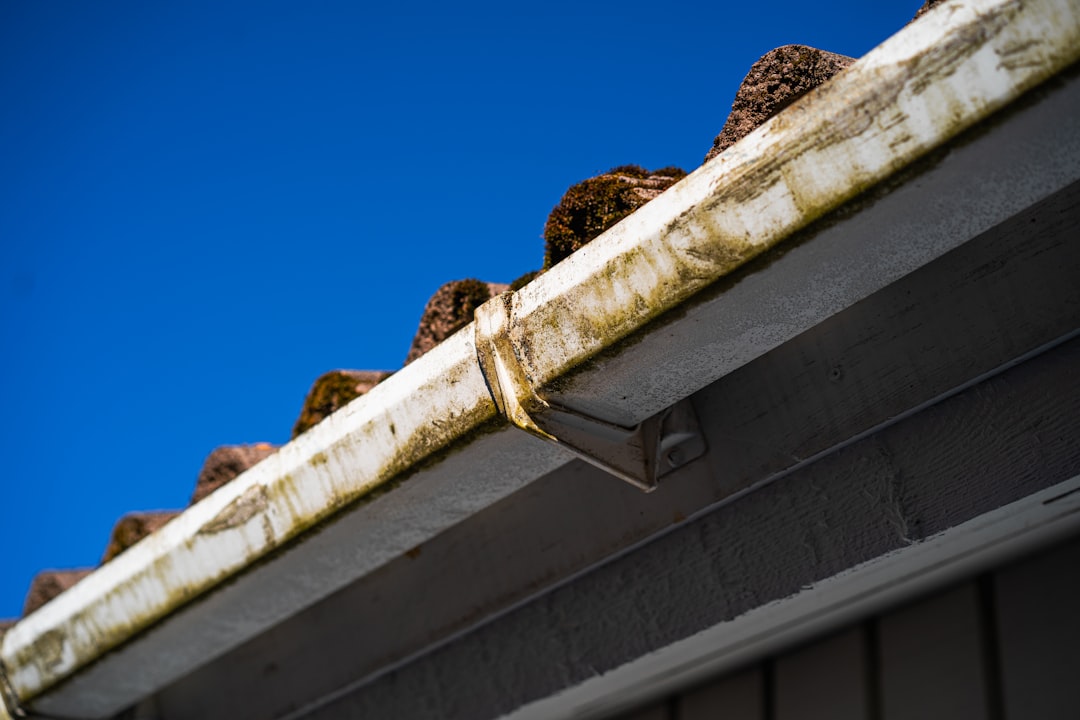
Why Gutter Maintenance Tips for Homeowners Matter in Rochester
In Rochester, we experience the full spectrum of weather—from heavy spring rains to lake-effect snow. It is now May 2026, and as we head into the warmer months, understanding the critical role of your gutters is essential. Gutters are often the “unsung heroes” of home protection, but when they fail, they fail loudly.
Properly maintained gutters prevent a domino effect of structural issues. When gutters clog, water overflows and saturates the soil directly next to your home. This leads to hydrostatic pressure, where the weight of the water-logged soil pushes against your basement walls, leading to cracks and leaks. Furthermore, soil expansion from excessive moisture can actually shift your home’s foundation.
Beyond the foundation, neglected gutters lead to:
- Fascia Rot: Standing water in gutters causes the wood boards behind them to decay.
- Landscape Erosion: Overflows can drown expensive plants and wash away mulch.
- Mold Prevention Issues: Water seeping into the attic or basement creates a breeding ground for mold.
- Ice Dams: In our Rochester winters, clogged gutters trap water that freezes, forcing moisture under your shingles.
By following The Ultimate Guide To How Gutters Protect Your Home, you can ensure your home stays dry and structurally sound. Well-maintained gutters can double or even triple the lifespan of your roof’s drainage system.
A Step-by-Step Routine for Seasonal Upkeep

Consistency is the secret to stress-free home care. For most Rochester homes, a bi-annual schedule—once in the spring and once in the fall—is the gold standard. However, if your property is nestled under a heavy canopy of oaks or pines, you might need to perform a check quarterly.
Safety First: The Golden Rules
Before you even touch a leaf, you must prioritize safety. Falls from ladders are a leading cause of home injuries.
- Three-Point Contact: Always keep two hands and one foot (or two feet and one hand) on the ladder at all times.
- Use a Spotter: Have a friend or family member hold the base of the ladder.
- Ladder Stabilizers: Use a “stand-off” or stabilizer. This prevents the ladder from leaning directly against the gutter, which can cause the metal to crush or the ladder to slip.
- Protective Gear: Wear thick work gloves to protect against sharp metal edges and eye protection to keep debris out of your eyes.
The Seasonal Checklist
In the spring, your focus is on clearing out the “winter gunk”—twigs and shingle granules that have settled during the snow season. Refer to The Only Spring Roof And Gutter Checklist You Need for a detailed breakdown. In the fall, the priority shifts to leaf removal to prevent winter clogs. You can also Give Your Home A Checkup With These Spring Exterior Tips to ensure your entire home exterior is ready for the year ahead.
Essential Gutter Maintenance Tips for Homeowners: The DIY Process
Cleaning doesn’t have to be a headache if you have the right tools. We recommend a gutter scoop or a simple garden trowel, a sturdy bucket with a hook to attach to your ladder, and a high-pressure nozzle for your garden hose.
1. Scoop from the Downspout Up: Start near the downspout and work your way away from it. This prevents you from accidentally pushing more debris into the exit hole.
2. The Flush Test: Once the large debris is gone, use your garden hose to flush the troughs. Watch the water flow. Does it move quickly toward the downspout? If water pools, your pitch might be off.
3. Clear the Downspouts: If water backs up during the flush, you have a clog in the elbow.

4. Use a Plumber’s Snake: For stubborn downspout clogs that a hose can’t move, a plumber’s snake is a fantastic tool to break up the “plug” of leaves and sediment.
5. Check Extensions: Ensure your downspout extensions are attached and discharging water at least 4 to 6 feet away from the foundation.
Identifying and Repairing Common Gutter Issues
Even the cleanest gutters can develop mechanical problems over time. Most gutters last about 20 years, but they require minor repairs along the way to reach that milestone.
- Leaking Seams: This is the most common issue with sectional gutters. Over time, the sealant at the joints dries out and cracks.
- Sagging Sections: If you see water standing in your gutters 24 hours after a rain, the gutter is likely sagging. This is often caused by loose spikes or hangers that have pulled away from the fascia.
- Rust Spots: On older steel gutters, rust can eat through the metal. If you see orange streaks, it’s time to act.
- Pitch Issues: Gutters should have a slight slope—roughly 1/4 inch for every 10 feet of run—to ensure gravity does its job.
Repair vs. Replacement Indicators
| Sign | Repair It? | Replace It? |
|---|---|---|
| Small hole or crack | Yes, use sealant/patch | No |
| Single loose bracket | Yes, replace with screw-style | No |
| Multiple sagging sections | Maybe (if fascia is solid) | Likely |
| Persistent rust/pitting | No | Yes |
| Extensive fascia rot | No | Yes (requires full tear-off) |
| Separated seams | Yes, clean and reseal | No |
Advanced Gutter Maintenance Tips for Homeowners: When to Patch or Seal
If you find a leak, don’t panic. A $15 tube of high-quality gutter sealant can save you from a $10,000 foundation repair.
How to Patch a Hole:
- Clean and Dry: Use a wire brush to scrub the area around the hole until it’s down to the bare metal. Sealant will not stick to wet or dirty surfaces.
- Apply Roofing Cement: For larger holes, apply a layer of roofing cement, then press a piece of matching metal flashing into the cement.
- Seal the Edges: Cover the patch with more cement or silicone caulk.
- Curing Time: Allow at least 24 hours for the repair to cure before the next rain.
Upgrading Hardware:
If you have old “spike and ferrule” hangers (the big nails that go through the gutter), we recommend replacing them with modern screw-style ferrule brackets. These grip the fascia board much more securely and won’t “creep” out over time like nails do. You can find more details on these components at our gutters service page.
When to Call a Professional for Your Rochester Home
While many gutter maintenance tips for homeowners focus on DIY, there are times when the job requires professional expertise. Safety is the biggest factor. If you have a multi-story home or a very steep roof pitch, the risk of a fall is simply not worth the savings.
Furthermore, some issues are symptoms of deeper problems. If your fascia boards are soft and rotting, simply re-attaching a gutter won’t work; the wood itself needs to be replaced. At Tall Pines Roofing, we often see homeowners who have struggled with persistent clogs or leaks that stem from improper initial installation.
Professional services offer several advantages:
- Seamless Gutter Installation: Unlike sectional gutters, seamless gutters are custom-made on-site to the exact length of your home. This eliminates the seams where 90% of leaks occur.
- Structural Integrity: We can inspect your roofline and fascia to ensure the “bones” of your drainage system are healthy.
- Ice Dam Remediation: We understand the unique Rochester climate and can help with ventilation and insulation issues that cause ice dams.
For a deeper look at what we offer locally, check out our Tall Pines Roofing Gutters Rochester Guide or our Gutter Installation Rochester Ny Complete Guide.
Frequently Asked Questions About Gutter Care
How often should I clean and inspect my gutters?
For the average Rochester home, twice a year is sufficient—late spring after the trees have finished budding and late fall after the last leaves have dropped. However, if you have pine trees (which shed needles year-round) or experience a severe summer windstorm, an extra check is a smart move. Always do a quick visual check in May 2026 to ensure winter snow hasn’t pulled any hangers loose.
Are gutter guards worth the investment for homeowners?
Gutter guards can be a fantastic “maintenance reducer.” High-quality micro-mesh systems are designed to keep out everything from large leaves to tiny shingle granules. While they don’t make your gutters 100% “maintenance-free,” they can reduce your cleaning frequency from twice a year to once every few years. They are especially valuable for homes in high-debris areas where clogs happen monthly.
What are the signs that my gutters need to be replaced?
If you are constantly repairing leaks, seeing widespread rust, or if the gutters are pulling away from the house in multiple spots, it’s likely time for an upgrade. Most aluminum gutters have a lifespan of about 20 years. If yours are approaching two decades of service, a new seamless system is a wise investment in your home’s future.
Conclusion
Your gutters might not be the most glamorous part of your home, but they are your first line of defense against water damage. By following these gutter maintenance tips for homeowners, you can protect your foundation, preserve your landscaping, and avoid the headache of emergency repairs.
At Tall Pines Roofing, we take pride in helping our Rochester neighbors maintain beautiful, functional homes. Whether you need a simple repair or a complete seamless gutter upgrade, we stand by our Tall Pines Guarantee: superior craftsmanship, real-time updates, and a property left cleaner than we found it. We treat every home as if it were our own.
If you’re ready to take the headache out of gutter maintenance, we’re here to help. Explore our full range of solutions at https://www.tallpinesroofing.com/gutters/ and let’s ensure your home is ready for whatever the Rochester weather throws its way.
