

Why Spring Is the Most Important Time to Check Your Roof for Hail and Ice Damage
Hail and ice damage to check for in spring includes a range of issues that can hide in plain sight until they turn into costly repairs. Here’s a quick summary of the most important things to look for:
- Granule loss on shingles – dark bare patches or granules collecting in gutters
- Soft spots or bruising on asphalt shingles (press gently – they feel spongy)
- Dented gutters, downspouts, and flashing from hail impacts
- Ice dam signs – wavy or sagging gutters, water stains along eaves
- Cracked or split shingles from freeze-thaw cycles
- Interior warning signs – ceiling stains, wet attic insulation, or musty odors
- Dented AC condenser fins and window screens (ground-level hail indicators)
- Siding cracks or dents that mirror what happened on your roof
Winter in Upstate New York is no gentle season. By the time spring arrives, your roof has already endured months of snow load, freeze-thaw cycles, ice dams, and — in many cases — at least one hailstorm. The trouble is, a lot of that damage doesn’t announce itself with an obvious leak. It hides. Granules wash quietly into your gutters. Shingles bruise just enough to weaken, but not enough to crack right away. Ice backs up under flashing and soaks insulation you won’t see until a ceiling stain appears months later.
That gap between damage and discovery is exactly what makes spring inspections so important. Hail as small as one inch in diameter can compromise standard asphalt shingles, and Rochester’s climate adds another layer of risk: freeze-thaw cycles expand any moisture that sneaks into a crack after a hailstorm, turning a small problem into a much bigger one by the time warm weather arrives.
I’m Matthew Hebert, founder of Tall Pines Roofing, and with over two decades of roofing experience in the demanding climate of Upstate New York, I’ve seen how overlooked hail and ice damage to check for in spring can quietly shorten a roof’s lifespan — often before homeowners even realize something is wrong. In the sections below, I’ll walk you through exactly what to look for, where to look, and when to call in a professional.

Essential Hail and Ice Damage to Check for in Spring
As the snow melts away in Rochester, it often reveals a “battle-scarred” roof. The transition from winter to spring is a vulnerable time because the freeze-thaw cycle—where water melts during the day and freezes at night—acts like a slow-motion crowbar, prying apart small cracks initiated by hail or ice.
One of the primary things we look for is granule loss. Asphalt shingles are coated with ceramic granules that protect the underlying bitumen from UV rays. Hail impacts knock these granules loose. If you see dark, bald patches on your shingles or find what looks like “shingle sand” piling up in your gutters, your roof’s first line of defense is failing.
Another subtle sign is shingle bruising. This isn’t always visible from the ground. When a hailstone hits, it can compress the shingle fibers without breaking the surface. If you were to touch it, it would feel soft or spongy, similar to a bruise on an apple. Over time, these spots will fail and become leaks.
Don’t forget to check the “soft metals” on your roof. Dented flashing, chimney caps, and vent pipes are excellent indicators of hail severity. Because metal doesn’t have the “memory” that shingles do, it records every hit perfectly. For a deeper dive into what a professional looks for during this process, check out our Roof Inspection Rochester Ny Guide.
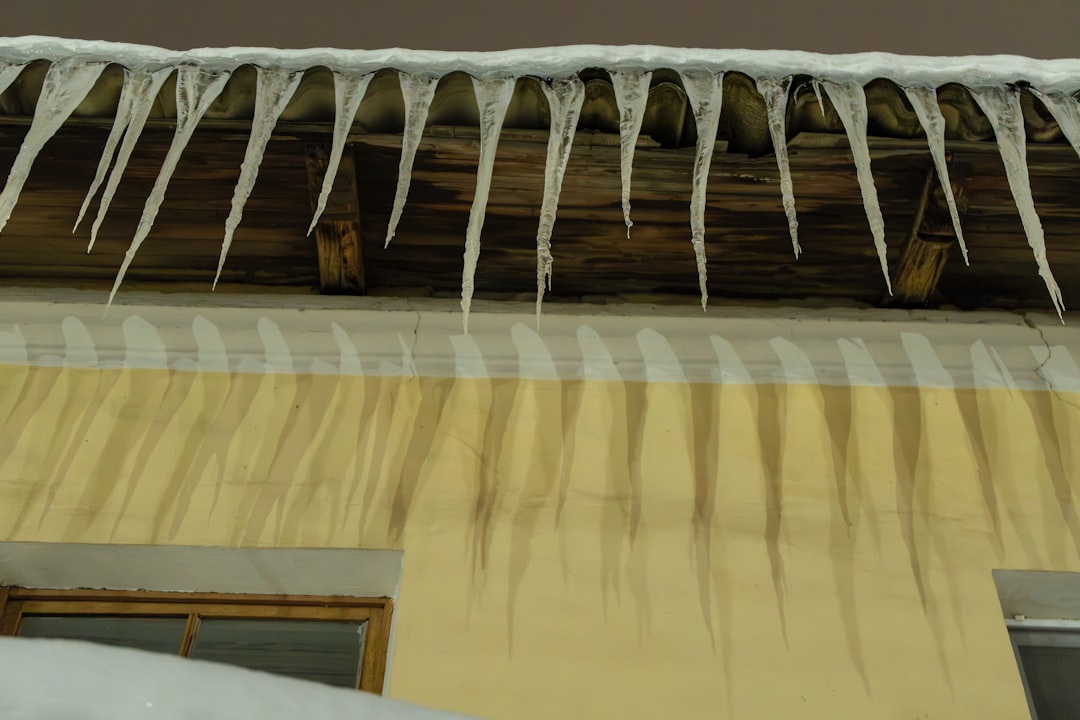
Finally, we have to talk about ice dams. In our area, ice dams are a major spring concern. Look for wavy or sagging gutters—this often means the weight of ice has pulled the hangers loose. If you see split wood on your fascia boards or cracked tiles near the eaves, ice expansion is likely the culprit. Sealant failure around pipe boots is also common after a harsh winter, as the cold makes the material brittle and prone to cracking.
Identifying Hail and Ice Damage to Check for in Spring from the Ground
You don’t need to climb a ladder to start your spring assessment. In fact, for safety reasons, we recommend starting with a pair of binoculars from the safety of your lawn. Look for splatter marks on your fence or siding. These “spatter” marks are areas where the hail cleaned away oxidation or algae, leaving a bright spot that indicates the size and direction of the storm.
Check your downspouts and gutters for small, circular dents. If the metal is dented, the shingles likely took a beating too. Examine your window screens for tears or “star” patterns and look at your AC condenser fins. These thin metal slats are incredibly soft; if they look like they’ve been hit by a hammer, you’ve definitely had a significant hail event.
If you spot these signs, it’s a strong indicator that you may need Storm Damage Repair Rochester Ny. Other neighborhood indicators include seeing roofing signs in your neighbors’ yards or noticing dents on your mailbox and vehicles. These are all “proxies” for roof damage.
Interior Signs of Winter and Spring Roof Damage
Sometimes the best way to see a roof problem is to look at your ceiling. Attic leaks are often the first sign that winter ice dams or spring hail have breached your home’s exterior. During your spring cleaning, take a flashlight into the attic and look for:
- Ceiling stains: Yellow, brown, or grey rings are a dead giveaway.
- Rusted nail heads: If the tips of the nails poking through your roof deck are orange and rusted, you have a moisture problem.
- Wet or matted insulation: This significantly reduces your home’s energy efficiency and suggests a slow, persistent leak.
- Mold or musty odors: Moisture trapped in the attic after a snow melt can lead to dangerous mold growth.
If you find active dripping or major saturation, consult our Emergency Hail Damage Repair Rochester Ny Guide for immediate steps to protect your home. Peeling paint near the tops of walls or around windows can also indicate that water is traveling down through the wall cavities from a roof failure above.
How Hail Impacts Different Roofing Materials
Not all roofs react to hail and ice the same way. The material on your home dictates what kind of “fingerprints” the storm will leave behind.
| Material | Primary Damage Sign | Severity Indicator |
|---|---|---|
| Asphalt Shingles | Granule loss & bruising | Exposed fiberglass mat |
| Metal Roofing | Dents & coating chips | Deformed seams or punctures |
| Wood Shakes | Splitting & fraying | Sharp-edged cracks |
| Clay/Concrete Tile | Cracking & star fractures | Missing corner pieces |
Asphalt shingles are the most common in Rochester. They typically show damage as circular “bruises” or “divots.” If the hail was large enough to expose the black substrate or the shiny fiberglass mat underneath, the shingle is no longer waterproof and needs replacement. For a comprehensive look at repairing these systems, see the Rochester Ny Hail Damage Repair Ultimate resource.
Metal roofing is incredibly durable but not invincible. While it rarely leaks after hail, it can suffer “cosmetic” damage in the form of dents. However, if the impact is hard enough to chip the Kynar or paint coating, the metal underneath becomes vulnerable to rust over time.
Wood shakes tend to split along the grain when hit by hail. These cracks will have sharp, clean edges if they are new. Older cracks will be weathered and grey. Clay tiles are more brittle; they may develop “star” fractures or lose entire corners, which can lead to immediate leaks because the underlayment is now exposed to direct sunlight and rain.
Understanding Hail Sizes and Damage Thresholds
It generally takes a one-inch diameter hailstone (about the size of a quarter) to cause functional damage to a standard asphalt shingle roof. However, this isn’t a hard rule. The age of your shingles plays a massive role—older, brittle shingles can be damaged by 3/4-inch hail, especially if accompanied by high winds.
We measure spatter mark diameters on surfaces like siding or fences to estimate the size of the hailstones that hit your home. The directionality of these marks also tells us which “slopes” of your roof took the brunt of the kinetic energy. If a storm moved from west to east, your western-facing shingles will likely have significantly more damage than the eastern ones.
Your Step-by-Step Spring Roof Maintenance Checklist
Prevention is always cheaper than replacement. Following a consistent hail and ice damage to check for in spring checklist can save you thousands.
- Clear Gutter Debris: Remove the “winter sludge.” Clogged gutters cause water to back up under your shingles, leading to rot. Check for granule buildup while you’re at it.
- Inspect Flashing Integrity: Ensure the metal around your chimney, skylights, and vents hasn’t pulled away or been dented.
- Trim Tree Branches: Keep branches at least 6 to 10 feet away from your roofline. During spring storms, these can act like whips, scouring the granules off your shingles.
- Check Pipe Boots: These rubber seals around plumbing vents often crack in the Rochester cold. If they look dry or brittle, they need to be replaced. Refer to our Rochester Same Day Hail Repair Guide if you find a sudden leak.
- Examine Soffit Ventilation: Ensure your intake vents aren’t blocked by insulation or bird nests. Proper airflow prevents the heat buildup that causes ice dams.
- Document Everything: Take date-stamped photos of your roof every spring. This provides a “baseline” for insurance companies if a major storm hits later in the year.
When to Perform Your Hail and Ice Damage to Check for in Spring
Timing is everything in Upstate New York. You want to perform your inspection after the final big thaw but before the peak of the spring thunderstorm season (usually late March to early April).
In Rochester, we often see a peak in hail activity between April and June. Monitoring the weather and performing a “ground-walk” after any major storm is a great habit. If you’re unsure about the state of your roof after a winter of heavy snow, follow these Rochester Hail Repair Contractor Tips to ensure you’re getting an honest assessment.
Navigating Insurance Claims and Storm-Hardening Upgrades
If your spring check reveals significant damage, you’ll likely be dealing with an insurance claim. It’s important to understand the difference between RCV (Replacement Cost Value) and ACV (Actual Cash Value). RCV covers the cost to replace your roof at today’s prices, while ACV only pays what your old roof was worth at the time of the damage (depreciated value).
When filing, your photo documentation is your best friend. Show the adjuster the “proxies” like dented gutters and AC units to prove the severity of the storm. For more details on the insurance process in our area, visit our Storm Insurance Rochester Ny page.
If you are replacing your roof, consider storm-hardening upgrades. Class 4 impact-resistant shingles are designed to withstand 2-inch hailstones without cracking. In many cases, insurance companies offer premium discounts for installing these. You can learn more about these options at Insurance Roofing Rochester Ny.
For the ultimate in durability, some homeowners are moving toward the Tesla Solar Roof. These glass tiles carry the highest possible hail rating (Class 4) and are virtually indestructible compared to traditional materials. They also feature advanced underlayment that provides superior protection against the ice dams we frequently see in Rochester.
Frequently Asked Questions about Spring Roof Damage
What size hail causes roof damage?
Typically, one-inch diameter hail is the threshold for damage on a standard roof. However, wind-driven hail can cause damage at smaller sizes by hitting the shingles at a sharper angle with more force. Older shingles are also much more vulnerable than new ones. If you’re in a specific suburb, you might find localized storm data helpful, such as our guide on Roof Hail Damage In Henrietta Ny.
Should I call a pro or do a DIY inspection?
We always recommend starting with a ground-level DIY inspection using binoculars. It’s safe and identifies the obvious red flags. However, a professional roofer has the training to spot “latent” damage—the kind that doesn’t leak now but will in six months. Climbing a roof, especially one that might have loose granules or hidden structural damage from ice, is a significant safety risk. For a professional eye, check out our Wind Damage Repair Rochester Ny services.
How long do I have to file a hail damage claim?
Most policies require you to file within one year of the “date of loss,” but this varies. The “discovery date” (when you first noticed the damage in spring) is important, but prompt reporting is always best. Waiting too long can lead to claims being denied due to “neglect” or “wear and tear.” For more timing tips, see When To File An Insurance Claim For Wind Damage.
Conclusion
Spring in Rochester is a time of renewal, but it’s also the time your roof needs the most attention. Identifying hail and ice damage to check for in spring early can mean the difference between a simple repair and a full-scale emergency.
At Tall Pines Roofing, we understand the unique challenges of Upstate New York weather. Whether it’s lingering ice dam issues or fresh hail impacts, we are here to help. We stand behind our work with the Tall Pines Guarantee, offering superior craftsmanship, a 30-year warranty, and real-time project updates so you’re never in the dark. We take pride in our “cleaner than we found it” policy, ensuring your property is respected throughout the process.
If your spring inspection has left you with more questions than answers, don’t wait for the next thunderstorm to find out if your roof is sound. Contact us today for a professional evaluation and experience the peace of mind that comes with a truly resilient home. Roof Repair Rochester NY is just a call away.
